Deep bases gain their always keep when near-surface dirts can not carry the weight. On paper, helical piles, protection heaps, and micropiles can easily all supply capacity. In the field, the correct choice depends on what is located beneath, exactly how it varies around the website, and exactly how the construct requires that load be managed in time. Soil inspection is the filter that turns a magazine of options right into a sensible design. Bypass the research and you run the risk of heaps that torque out early, settlement that shows up after the lessees relocate, or even installment costs that spin when the staff hits a tough coating nobody anticipated.
This guide distills exactly how to consider as well as interpret dirt inspections that inform helical pile and resistance pile selections for commercial foundation repair as well as new building and construction. It makes use of the designs viewed all over clay-based basins, layered stuffing, glacial tills, coastal sands, and also the occasional problem youngster like collapsible loess or karst. I concentrate on the concerns that matter to developers and specialists who deal with the effects, featuring situations where commercial micro pile installation or commercial helical pile installation is the right response, and others where commercial resistance pile installation or helical tieback anchors hold the day.
The large 3: stratigraphy, toughness, and also variability
Pile collection experiences on 3 pillars. To begin with, stratigraphy, the pattern of coatings and also their thicknesses. Second, toughness as well as hardness, which handle capacity as well as negotiation. Third, variability, both vertical and also side. You need to have enough depiction to confidently reach a bearing stratum or activate sufficient skin friction in a repeatable method. For helical piles and helical anchors, incorporate a fourth variable, twist correlation, because setup torque is actually made use of as a real-time proxy for capacity.
A ground profile that looks clean on a solitary log can still misdirect. In urban backfill, clay lens wedge out over 10s of feet. In stream patios, heavy gravel wallets disrupt well-maintained sands. The examination does certainly not need to be extravagant, however it has to settle the choices you need to make: helix dimension and configuration, pile style and dimension, recommendation altitude, rust protection, and setup equipment requirements.
Choosing exploration strategies that match the website as well as the questions
For small business work, a pair of borings with Typical Seepage Examinations (SPT) may anchor the program. On larger or more adjustable sites, you gain peace of mind with extra borings, Conoid Penetration Testing (CPT), as well as careful testing for lab tests. The mix relies on the ground regime.
SPT borings provide constant dirt summaries and also blow counts. They additionally offer you samples for lab testing and for verifying whether that "quite dense sand" is actually a soft sand crushed rock along with cobbles that may chew up coil plates. That pointed out, SPT is raucous in gravelly grounds, as well as blow matters may plateau in rich coatings where CPT polishes. CPT offers continuous pointer resistance, sleeve friction, and also sometimes opening pressure. The constant account is vital for helical pile layout due to the fact that coils need to have to bear in outfit, suited dirts rather than linking a gentle lens.
If you reckon soft clays or organics, Shelby tube examples cost the logistics. Unconfined compressive toughness as well as Atterberg limitations give you index residential properties as well as undrained durability, which matter for temporary development loads and also uplift cases. In sands as well as silts below the water level, abandonment tests in CPT can clarify whether you are dealing with contractive silts susceptible to liquefaction, which firmly affects heap kind and uplift considerations. For projects along with side load requirements or even intended helical tieback anchor setup, acquire good enough records to describe p-y curves with peace of mind, whether via in-situ exams, connections, or a blend.
An experienced workers will certainly likewise look obstacles. Ground-penetrating radar or even energy locates catch huge energies, but the mundane logs tell you whether there are manmade fills with brick, ballast, or even ashes, which can easily thwart helical piles or require pre-drilling. In previous industrial tracts, I have viewed steel bits in stuffing cease a helical within two feets. The contingency planning is actually pre-drilling or changing to steered steel resistance piles in the impaired zone.
What the logs must answer for helical piles
Helical piles and helical anchors turn twist to central capacity, helped through connections in between setup torque and also ultimate protection. Those correlations presume the helix layers advance into grounds that shear predictably. If you position a coil all over a disposable lens and a heavy lense, torque analyses come to be loud. That is not a plain instrumentation problem, it mirrors irregular ability along the coil stack.
The boring as well as CPT records should inform you three traits along with sufficient settlement to set the helix geometry:
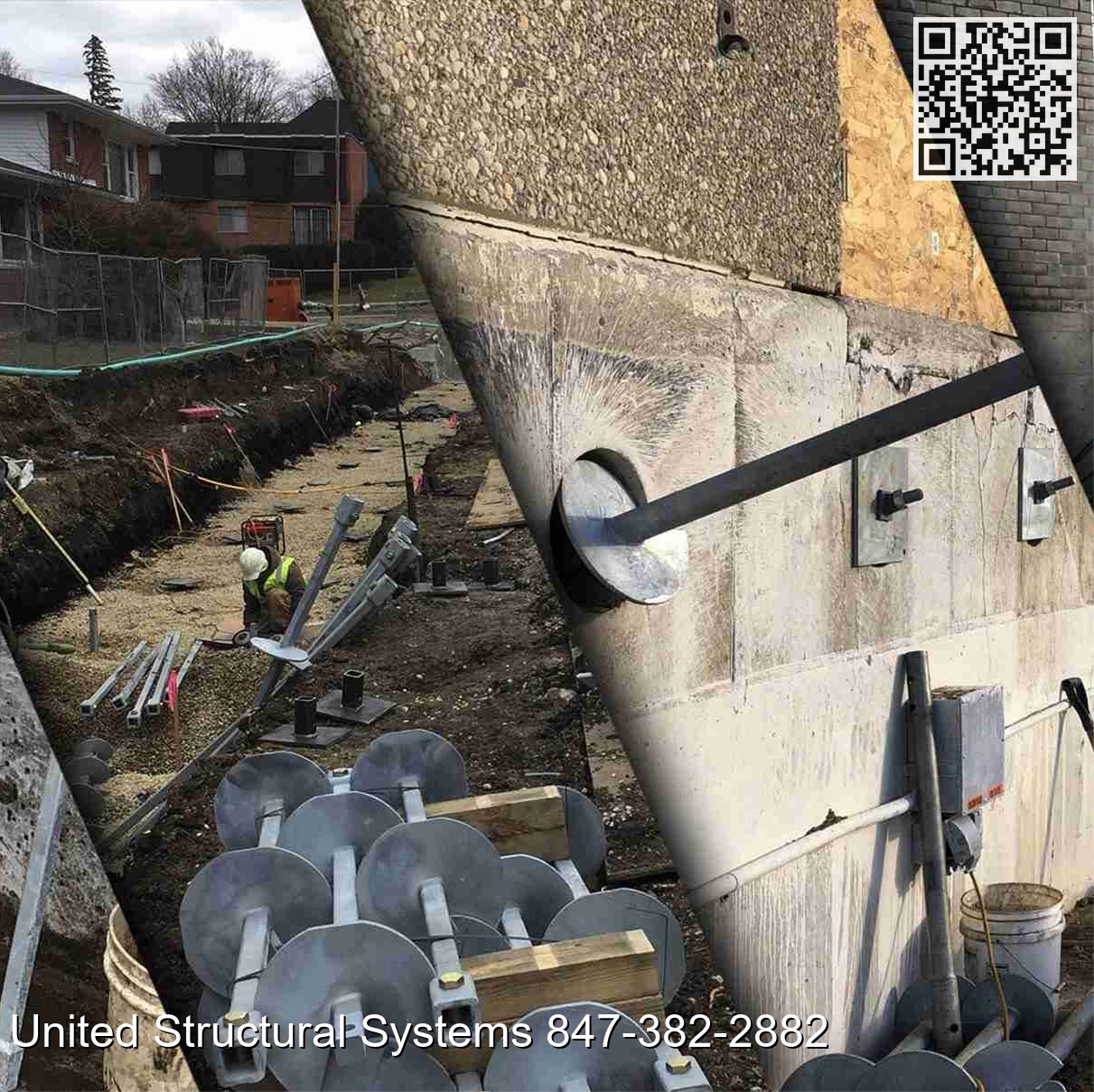
- The intensity to an ongoing, experienced bearing stratum that can easily suit the helix diameters considered. For easy to intermediate tons, that could be moderate dense to thick sand or rigorous to incredibly stiff clay. For greater bunches, the aim at might be actually thick sand as well as crushed rock or even weather-beaten rock. The trick is connection. A lean, hardpan level over soft clay-based is a trap, as the helix may post somewhat on the hardpan as well as partly in the clay. The thickness of inappropriate layers that should be actually cleared to stay away from negative skin layer abrasion and also downdrag where it would damage efficiency. For example, compressible organics and loose silts ought to be bypassed so the coil layers bear deep good enough to lessen resolution from in season humidity or surcharge changes. Groundwater deepness as well as seasonal fluctuation. Uplift size in sands is sensitive to concentration, and torque readings may change along with opening tension. If groundwater rests at 5 to 8 feets however goes seasonally, plan for the wet condition.
Torque-to-capacity elements (Kt) array often coming from 8 to 12 in many sands as well as clay-baseds when utilizing inch-pound twist devices per foot of shaft area equivalency. That selection is actually certainly not a permit to presume. Make use of previous local jobs and lots test information from the exact same installer when feasible. On a distribution center in frosty till, our measured Kt was closer to 7 due to gravel and cobbles that improved torque without relative axial capability. Without the prior lots examinations, our company would have underpredicted the lot of stacks needed to have by approximately 20 percent.
What the logs need to explanation for resistance piles and micropiles
Resistance piles, consisting of steel push boat docks for commercial foundation stabilization, depend on mounting versus the structure and also mobilizing conclusion bearing or even friction till rejection. Their efficiency rests on finding a layer along with enough capability to take the tons without extreme settlement deal. The soils program ought to map the depth to refusal and the irregularity all over the impact. If you organize commercial resistance pile installation underneath a slab-on-grade along with inadequate access, you likewise need to understand whether the press road consists of obstructions like particles levels, because those can fake a very early "rejection" and also lead to underperforming piles.
Micropiles allow extra. With micro pile or even micropile installation, you can bore by means of cobbles, particles, and also even weather-beaten stone, at that point grout bond into qualified strata. The tradeoff https://www.unitedstructuralsystems.com/basement-and-crawlspace-waterproofing/ is actually price and the need for cement quality control. Ground information need to describe the connection zone and also the awaited boring energy. In incredibly loosened sands below the aquifer, help make stipulations for casing or bore liquid to stop caving. In smooth clay-baseds, represent sidewall relaxation which lowers connection unless you use stress grouting. For high seismic areas with liquefiable levels, a micropile's functionality depends upon grouted bond below the liquefiable horizon, which the CPT as well as lab data must delineate.
Integrating structure demands: central, uplift, and also lateral
The soil examination is just half the account. Load choice is actually a handshake between ground as well as property. For commercial foundation repair and also structural foundation repair, ask 3 questions upfront. Initially, are actually bunches initially axial squeezing along with modest uplift, like for pillar retrofits, or exists significant uplift as well as sidewise requirement as in canopy pillars or even keeping wall structures? Second, what are the tolerable negotiations, both total and differential? Third, just how will certainly lots be actually offered: braces on existing footings, brand new heap caps, or even tieback anchors via walls?
Helical piles frequently shine where uplift concerns. Coil geometry provides efficient flexible resistance without lengthy embedment. Helical tieback anchors operate well in overconsolidated clay-baseds as well as heavy sands responsible for basement wall structures and earth-retaining frameworks. If the geology proposes loose fills or coarse-grained grounds along with a perched groundwater level, evidence screening of tieback anchors becomes critical. For sidewise bunches, helical piles along with larger shafts or damaged setups can aid, but the dirt p-y action controls. In gentle clay-baseds, lateral capacity is reduced unless you drive much deeper or boost space to set in motion even more soil.
Resistance piles, specifically steered steel pipe or even H-piles, give dependable compression in dense levels and also can be cut to operate in limited retrofits. They are less dependable in uplift unless you add caps or even use tension-only factors. Micropiles may be developed for combined central as well as instant capacity when canvassed through unsatisfactory dirts and also bound into rock or even thick layers, creating them a go-to for seismic retrofits of existing pillars where the geometry is constrained.
Corrosion as well as longevity judgments
Subsurface chemistry changes the calculus. If resistivity falls listed below about 2,000 ohm-cm and also sulfates or even chlorides operate high, think about oxidation security. For helical piles as well as helical anchors, that might indicate hot-dip priming, thicker wall surface rays, or even cathodic security for important designs. For micropiles, the cement cover as well as, if required, epoxy-coated or stainless steel support reduce risk. The inspection should include a minimum of an easy oxidation set: pH, resistivity, sulfides, chlorides, as well as sulfate content on representative samples, plus groundwater if present.
One instance: on a seaside commercial foundation repair where brackish water penetrated a shallow sand lens, conventional galvanization on helical piles would have been limited for a 50-year service life. The dirt information brought in the instance for duplex systems on the shafts as well as stainless steel components above grade. That choice costs even more in advance, yet it protects against mid-life removal that disrupts operations.
Settlement: certainly not merely carrying capacity
Capacity checks perform not finish the tale. Numerous business properties can easily allow just helical pile foundations about 0.5 to 1 in of total settlement and 0.25 to 0.5 in differential around normal column spacing. If soil hardness is low in the higher strata, long stacks that cancel deep may still find lots dropping, particularly under continual solution loads or humidity adjustments. Swelling clays complicate issues. The inspection should identify plasticity indices and suction behavior where expansive grounds are suspected. If screening presents higher masterpiece clay-baseds in the upper 10 to 15 feet, look at sleeving helical piles via the energetic zone or even using micropiles with seclusion sleeves to decouple movement. For resistance turn in responsive clays, founding brackets need to additionally be actually specified to steer clear of uplift on the structure throughout in season heave.
On a mid-rise clinical workplace retrofit, CPT showed a gentle clay crusting over tense clay-based at regarding 18 feet. Helical piles set up along with two helices at 10 and 12 inches performed properly in squeezing examinations, however the negotiation evaluation flagged possible seasonal motion in the upper crust. Our experts modified to a three-helix arrangement with the lowest helix at 22 feet to press the neutral airplane listed below the active zone. That small potatoes always kept long-term upright activities within 0.25 in across the bay.
When to like helical piles
Helical piles supply fast installment along with minimal vibration, a major benefit for interior retrofits as well as tight metropolitan web sites. They stand out when the ground account includes capable sands or rigid clay-baseds within 15 to 40 feet, when uplift resistance is actually required, as well as when setup torque can be reliably correlated to ability. The equipment impact is actually little, as well as workers may execute commercial helical pile installation with doorways and inside energetic facilities.
Their limitations appear in cobbles, rocks, and also rubble packs where twist spikes without accurate capability increase. Slim challenging lenses interbedded with smooth layers additionally complicate functionality, as helices can chair in a lens that is without lateral continuity. Pre-drilling can deal with blockages yet erodes the torque-capacity correlation and also adds expense. For higher bunches over, say, 100 to 150 kips per pile in complicated grounds, helicals might get wasteful matched up to micropiles or even steered solutions.
When protection stacks create even more sense
Resistance piles as well as steered water pipes stacks hold substantial squeezing tons and work well where a difficult bearing stratum exists at manageable deepness. In founding uses for commercial foundation stabilization, hoisted steel heaps engage fast, use the establishment as reaction, and also offer a tangible gauge of ability through jacking tension and also motion. They perform certainly not call for the very same torque relationship and can easily infiltrate fills that dishearten helicals. If the structural arrangement allows a well-maintained load path into the underpinning brackets, commercial resistance pile installation can lessen schedules.
Their weaknesses consist of uplift ineffectiveness and the danger of false refusal in debris. The geography ought to guide backup, like pre-drilling via understood stuffing layers or changing to a small-diameter centric pipeline. Sound and vibration can be issues near sensitive operations. In incredibly smooth profile pages without any crystal clear bearing layer, resistance stacks may go after deepness, pressing the economics toward micropiles.
Where micropiles are the appropriate tool
Micropiles win in three shapes: deep-seated or even irregular seasoned strata, obstructions and rocks, and higher mixed tons where hardness issues. They may be mounted along with low-clearance rigs for interior work. With stress grouting and also enough connection duration, a micro pile can supply high axial ability and also excellent seismic efficiency. Coring via endured rock or old bases is regular work for expert staffs. For tasks where helical piles will need to have 3 or even 4 coils and still combat cobbles, or even where protection stacks can easily certainly not find clear refusal, a micro pile system spends for itself in reliability.
The tradeoffs are cost, cement QC, and schedule. Assume to assess grout toughness, monitor loudness and also pressures, as well as verification exam a percent of piles. Where groundwater flows, attention to canvassing tapes and tremie strategies protects against washout as well as spaces. When the ground examination shows adjustable levels of filler, sand, and clay over heavy glacial till at 35 to 45 feet, micro pile collection typically avoids improvement orders throughout installation.
Designing the investigation course around pile decisions
Start with the decision tree. If the project leans toward helical piles along with possible helical tieback anchors, plan CPT soundings throughout the footprint at a spacing that records side changes. Include a couple of SPT borings along with testing for mark examinations as well as rust. If protection piles or micropiles are most likely challengers, consist of borings that reach rejection or the expected connection zone, and at least one dull every distinctive building airfoil or even load area.
I pursue enough data to confidently prepare stack tip altitudes and helix heaps along with a protection margin of regarding 5 feet for helical piles, and to size bond regions for micropiles along with verified cement homes. For tieback anchors in preserving work or basement wall structures, test at the very least a handful of sacrificial anchors in the regulating components to calibrate style abrasion in the business. Where foundation crack repair accompanies groundwork, examine whether differential humidity or even plumbing cracks generated localized softening; one mundane near a gap and also one in an untouched region can easily reveal the differential conditions driving the distress.
Quality control during setup, connected back to the soil model
Good soil information improves the program, however industry QC connects the loop. For helical piles, report twist versus intensity in one-foot increments, and also banner areas where torque spikes unexpectedly. If you observe torque plateauing at values under the target however the dirt style anticipated much higher, consider switching helix setup or even elevating to the following experienced layer. Load testing a part, even a couple of stacks, returns when bunches are essential or ground variability is actually high. The test leads fine-tune the Kt variable for the site.
For protection stacks, file jacking tensions, stroke versus load, and also refusal criteria. If stress increase greatly in a shallow level that soil logs pegged as junk fill, pre-drill the next location to avoid inaccurate refusal. For micropiles, track boring electricity, grout quantities, as well as rejection signs. Proof-test at least 5 percent of stacks where possible. Combining installation information with the soil logs generates an as-built geotechnical narrative that clarifies efficiency if inquiries occur later.
Edge scenarios worth anticipating
Collapsible grounds including loess may amaze helical piles. Torque looks sufficient in a completely dry, metastable state, thus goes down after saturating, which lessens ability as well as can cause settlement. Here, objective listed below the collapsible zone and also consider post-installation wetting examinations on propitiatory stacks. Relationships coming from dry setup may mislead.
Karst as well as vacated stone obstacle every stack style. Micropiles along with pressure-grouted bonded zones as well as larger casings can reach tooth cavities, but you need to determine the intensity as well as lateral magnitude, which might require geophysics or extra borings.
Expansive clay-baseds deserve sleeves on helical shafts and also particular focus to braces for protection piles so the building stays neutral with heave cycles. If screening returns high specialty and also suction ability, you can define solitude sleeves that reduce shaft adhesion in the energetic zone and switch load transmission deeper.
Liquefiable sands alter uplift and side functionality. In these zones, helicals might require deeper embedment or even much larger helix diameters, and also tiebacks need to secure below the liquefiable coating. Micropiles bound in heavy sand or stone listed below the essential deepness give a more sturdy bottom for deep foundation repair in seismic regions.
Practical budgeting and also phasing
A small business task may exist along with two to three borings at 25 to 40 feet as well as one CPT, plus minimal lab tests. Much larger footprints or adjustable fill warrant a grid of CPTs as well as 3 to six borings to fifty to 80 feet. Budget on the order of 1 to 2 per-cent of foundation cost for subsurface expedition as well as screening, though web site ailments might drive that greater. That portion is actually cheap insurance coverage versus adjustment orders during commercial helical pile installation or commercial resistance pile installation, particularly where get access to is actually minimal and recovery time is costly.
Phase the plan. Initial borings as well as CPTs prepared the concept. If you expect helical tieback anchor installation, consist of very early disengagement examinations. If micropiles reside in play, bore one or two fly exam stacks and bunch exam to verify bond tension assumptions just before complete development. Bring the installer in to the preconstruction meeting to agree on criteria for switching over methods when health conditions diverge from the logs.
Repair scenarios: linking gaps to soils
Foundation crack repair service usually carries us to a structure years after development, with minimal as-builts and a mix of mythology and also observation. Dirts screening may split plumbing-related softening, seasonal shrink-swell, and also lasting combination. A gap design that broadens on top near corners might point to settlement in the perimeter bearing under a downspout discharge. During that case, superficial ground remodeling and drain may help, but duplicated activities advise founding with helical piles or resistance stacks to develop a steady bearing. If indoor columns have settled, and the soil logs present compressible silt lens under the piece, micropiles threaded by means of center gaps supply a well-maintained structural foundation repair pathway without massive demolition.
Tiebacks come into play where cellar walls accept coming from side ground lots or even hydrostatic stress. Prior to indicating helical tieback anchors or other tieback anchors, test a couple of probings in the backfill and indigenous soil responsible for the wall structure. If you find loose backfill that expands deep, longer anchors or a switch to deadman supports beyond the region of impact may be actually necessary. Supports put in in to dense sand or tense clay-based behind the active block carry out reliably and may be bunch validated during the course of installation.
Bringing it with each other: a decision platform that recognizes the ground
The very most successful jobs read the ground as well as decide on a procedure that collaborates with it instead of against it. Helical piles are rapid as well as elegant in appropriate grounds, particularly when uplift and low disruption matter. Resistance heaps give durable squeezing to rejection along with marginal site disruption when a seasoned level is actually available. Micropiles adjust to difficulties and intensity, supplying higher abilities where the profile page requires it. Helical anchors and helical tiebacks give dependable sidewise and also flexible protection when fastened in the ideal materials.
None of these choices need to be actually made in a vacuum cleaner. A lean, well-aimed dirt examination anchors the selection. It clarifies the bearing perspectives, the energetic moisture region, the corrosivity, as well as the irregularity that may inflate expenses if discovered far too late. Pair that along with installation QC and, when called for, a handful of bunch tests. The end result is certainly not just a heap that supports a variety abstractly, but a structure service that matches the web site, the building, as well as the truths of construction.
 Ask ChatGPT
 Ask Grok
 Ask Perplexity
 Ask Claude
 Ask Google AI
 Ask You